Cycle Toronto Challenges $48 Million Removal of Bloor Street West Bike Lanes
As Toronto prepares to remove protected bike lanes on Bloor Street West, Cycle Toronto criticizes the costly decision and questions the provincial law enabling these changes.
Paste the copied caption into your Instagram post. Caption links are not clickable; add the article URL to a Story link sticker or your profile link.
Open InstagramKey takeaways
- Cycle Toronto opposes the planned $48 million removal of protected bike lanes on Bloor Street West, viewing it as a costly setback to sustainable urban mobility.
- The removal is enabled by provincial legislation, which Cycle Toronto challenges as harmful to efforts promoting safe cycling and active transportation.
- The decision's impact extends beyond Toronto, potentially setting a precedent for cycling infrastructure policies across Canadian cities and provinces.
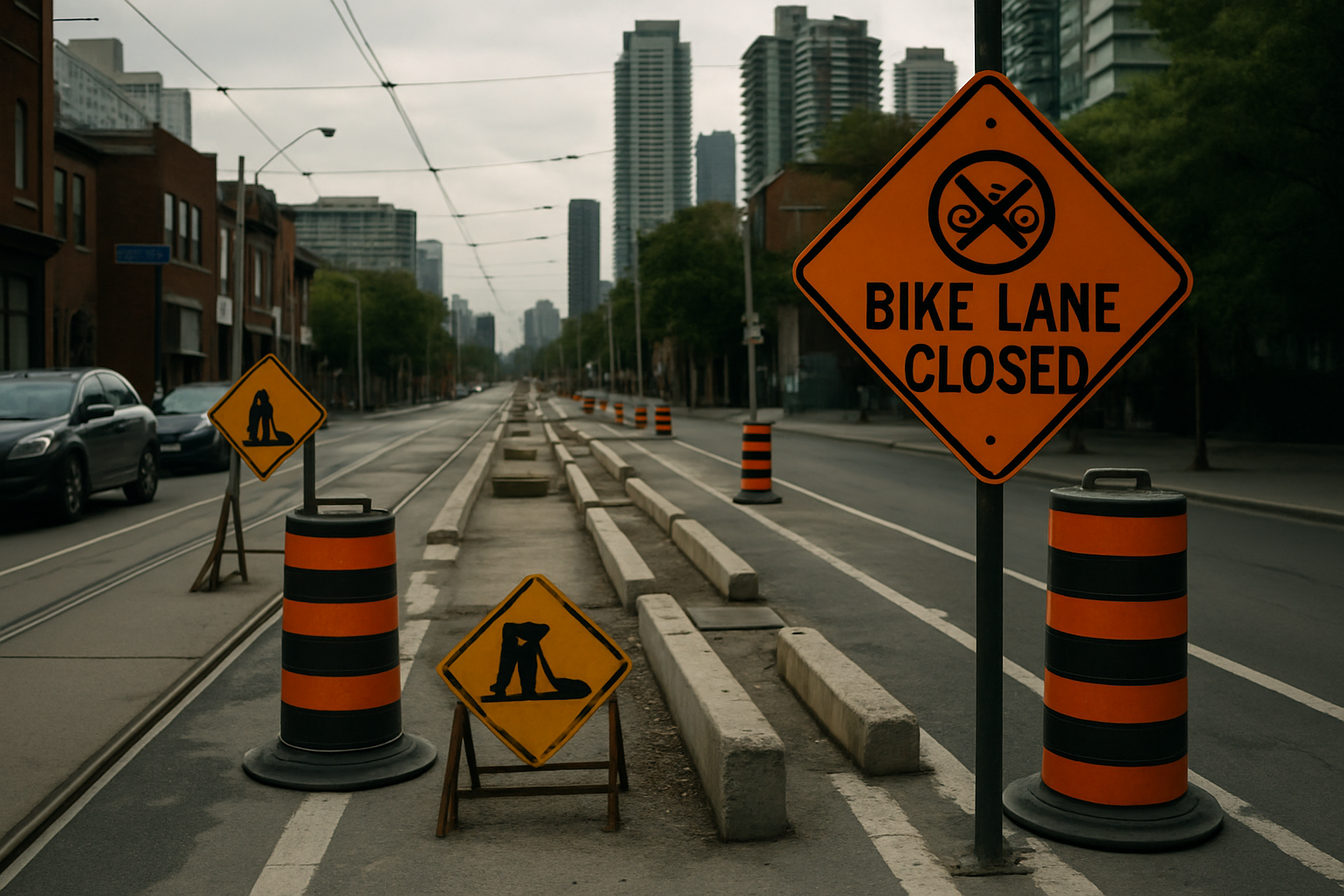
Toronto is facing a significant shift in its cycling infrastructure with the upcoming removal of protected bike lanes on Bloor Street West. This move has sparked strong reactions from local advocacy group Cycle Toronto, who argue that the decision represents both a financial setback and a step backward in urban mobility.
The Cost of Removal
Cycle Toronto has highlighted the estimated $48 million price tag associated with dismantling the secure bike lanes. For an investment centering on sustainability and active transportation, the expense raises concerns over efficient use of city funds. The group stresses that this figure should alarm not only residents of Toronto but Canadians everywhere, as it reflects broader priorities and challenges across urban centres.
Legal Context and Advocacy
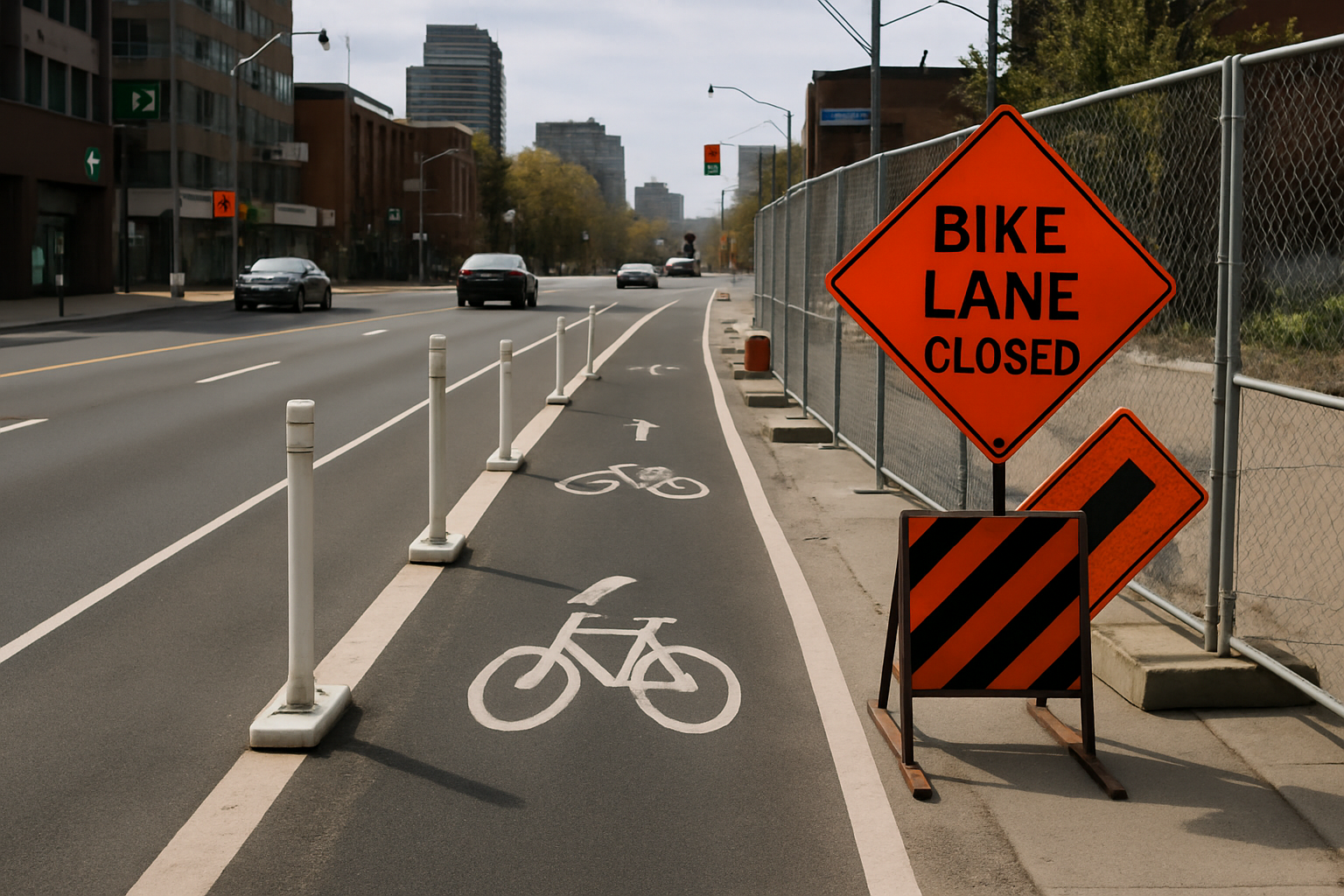
The removal is made possible by a provincial law that allows for protected bike lanes to be taken out across the city. Cycle Toronto is actively challenging this legislation, arguing it undermines efforts to promote safer cycling environments and discourages sustainable commuting options in Toronto and beyond.
Why This Matters Beyond Toronto
While the issue is centred in Toronto, the implications resonate more widely. Cycling advocates note that decisions around infrastructure set precedents that can influence policies and priorities in other cities and provinces. The group urges Canadians to pay attention and engage with these developments, highlighting the broader importance of supporting safe, accessible bike lanes for healthier, more active communities.
Looking Ahead
As Toronto moves forward with this contentious change, Cycle Toronto and other supporters of active transportation continue their efforts to protect and expand cycling infrastructure. The debate underscores ongoing tensions between different urban needs and visions for the future of city transportation in Canada.
Source: Canadian Cycling
Paste the copied caption into your Instagram post. Caption links are not clickable; add the article URL to a Story link sticker or your profile link.
Open Instagram